

What is a brick bond?
A brick bond is the pattern in which bricks are laid in a wall. The bond affects not only the wall’s appearance but also its strength, durability, and how it withstands weather elements.
The term “bond” comes from the way the bricks are interlocked, or “bonded,” together.
Whilst its primary purpose is structural, the brick bond can also strongly influence the appearance of the façade and provide aesthetic character to many properties.
Why do brick bonds matter?
It’s important to consider the bond pattern when initially deciding on your brickwork, as they can have an impact on the overall appearance of the build. The choice of bond influences how the bricks work together as a single structure.
The main reasons it is important to choose the right bond are:
*Strength – Some bonds interlock bricks better, making the wall more resistant to cracking and movement.
*Stability – makes the wall better able to resist weather elements
*Appearance – Different patterns create different architectural styles. Architects often choose a bond for both structural and aesthetic reasons.
*Crack Resistance – Cracks are less likely to travel straight through a well-bonded wall than through one with continuous vertical joints.
How does a brick bond affect the wall strength?
The type of brick bond significantly impacts a wall’s ability to withstand loads and stresses. A well-chosen bond distributes weight and effectively strengthens the overall structure.
Which brick bond is the strongest?
English Bond – This bond is considered the strongest brick bond out of all the bonding patterns. It is a traditional brick pattern laid with more facing bricks than other bonds. Combines the use of alternate courses of stretchers and headers.
- It demonstrates excellent structural performance for load-bearing walls.
- Strong interlocking pattern that distributes loads effectively.
- Header courses provide a robust connection across the wall thickness.
Different brick bond examples
What is a stretcher bond?
Stretcher bond (also named as the running bond) is the most typical laid bond in the UK. The pattern is laid with the stretcher course sitting halfway over the joints of the courses in the row below. Commonly used on residential builds, commercial buildings, garden an boundary walls.

What is a flemish bond?
Flemish bond is a common brick pattern that is a typical in Georgian architecture. The pattern consists of each course (horizontal row) alternating between headers and stretchers.
A header is a brick laid with its short end facing out.
A stretcher is a brick laid with its long side facing out.
In a Flemish bond, each header is centred over the stretcher below it, creating a balanced, decorative, elegant, timeless appearance. Commonly used for heritage projects, traditional style new-builds and decorative appearance.
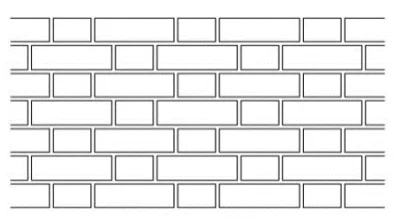
What is a header bond?
A header bond is a brickwork pattern in which every brick is laid as a header. Unlike a stretcher bond, a header bond consists entirely of short brick faces arranged in each course. The joints are staggered for stability. Commonly used for curved walls and traditional detailing.

What is an English bond?
English bond is one of the oldest forms of brick bonding. It became common in the 1450s and was the standard type of brickwork for British houses until the late 17th century. English bond brickwork combines alternate courses of stretchers and headers. This traditional pattern is considered to be one of the strongest bonds and is commonly used for bridges and engineering projects.
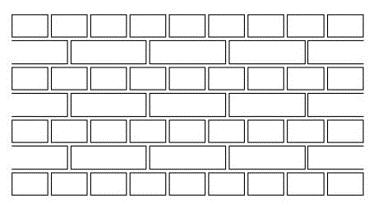
What is a stack bond?
The stack bond brick pattern, the bricks are laid directly on top of one another with all joints aligned. Where the joints are aligned directly above one another, this means they are forming continuous lines. It is visually decorative therefore, has less structural integrity than others. Commonly used for feature walls and façades.
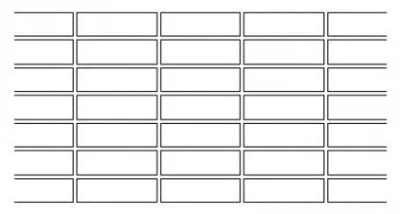
What is an english garden wall bond?
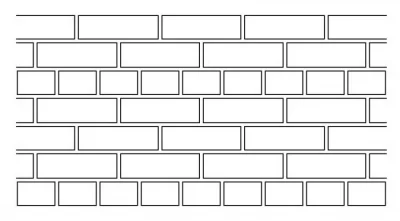
English Garden Wall bond constitutes three rows of stretchers to one row of headers. It is very rarely found on buildings outside the north of the UK. Commonly used for garden walls, boundary walls, and traditional residential projects.
Selecting the right brick bond is an important part of any masonry project for both the appearance and performance of the finished wall. Whether you’re restoring a period property, constructing a traditional garden wall, or designing a modern façade, choosing the appropriate brick bond will help achieve a durable, visually appealing result. Our team is on hand to provide expert advice and help you select the ideal solution.