

What is efflorescence and when does it appear?
Efflorescence is the process by which salt migrates to the surface of a porous material, forming a coating of crystalline salt deposits (also called Calcium Carbonate or limestone). It is often described as a white, fluffy or powdery substance, but it can range in colour from white to grey, brown, or even yellowish hues, depending on the type of salts present. This can be an aesthetic concern. Efflorescence often appears during winter and early spring when there are low temperatures and high humidity or after rain and wet weather. When wet building materials begin to dry out, water dissolves the salts within the masonry and then carries them to the surface. Once evaporation happens, this is when the salts are left behind displaying a white powdery appearance.
Examples of efflorescence
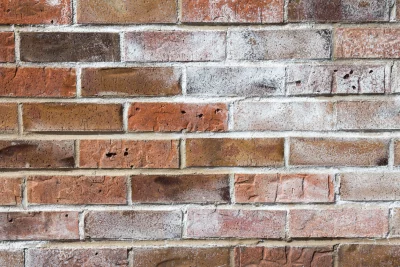
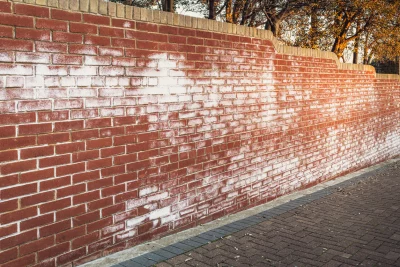
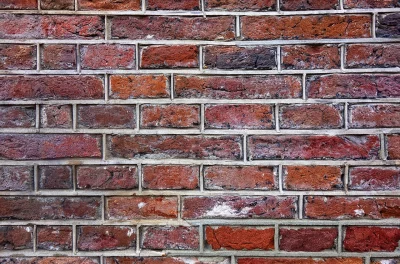
Types of efflorescence
Primary: Occurs during the initial curing process which appears in fresh masonry when there is excessive moisture
Secondary: Often indicates a deeper, long term moisture issue that appears months or years after construction
Facts about efflorescence
Appearance – Usually appears as a white powdery substance that sits on the exterior brickwork
Causes – Due to water moisture, salts migrate to the surface of the brick as they become trapped within the masonry being a porus material. This then appears externally as white powdery substance.
Removal – Efflorescence is often temporary during typical seasons and can be easily removed by dry brushing or washing with water. Find out more tips below on removal, treatment and prevention.
Is efflorescence harmful to my brickwork?
Efflorescence is typically temporary and will eventually disappear. Aesthetically it looks harmful however, in terms of damage to your exterior walls, efflorescence itself isn’t harmful and it can be easily treated and removed following tips below. It is important however, that if you do see any signs of efflorescence on your property’s walls, that you have it looked at by a damp specialist so that the efflorescence doesn’t return. It’s important to detect what is causing the moisture which leads to the appearance of efflorescence. A leak or inadequate drainage, can cause damage to the structure if left untreated.
Installation problems which may lead to efflorescence
- Using construction materials that are not fit for purpose or of poor quality, these salts can easily migrate to the surface
- Improper ground storage of building material, for example, damp soil or ground moisture
- Use of masonry without sufficient ventilation
- Use of masonry in areas that lack a proper moisture barrier
- Joint material failure
- Improper construction techniques could lead to structural damage
- Environmental factors and climatic conditions include high humidity, heavy rainfall, and frequent freeze-thaw cycles.
How to remove efflorescence
- When treating an outdoor wall, make sure the temperatures will be above freezing all-day
- Simple washing can sometimes remove brick efflorescence
- Scrub the affected area with a wet sponge or brush and plain water. Always rinse thoroughly; if you leave dissolved salts on the surface, they’ll return with new efflorescence.
- Watch out for clay. Clay naturally has a high salt content, so removing efflorescence in this way is often only a temporary solution—wet weather can bring salt back to the surface again.
- A stiff scrubbing brush and a dry brushing technique will remove the efflorescence.
- Muriatic acid can be used for efflorescence removal, but it poses risks such as discolouration and potential surface damage. Consider safer commercial solutions.
How to prevent efflorescence
While it is difficult to completely prevent salt efflorescence, good site practice will help to minimise the occurrence.
- Properly cure concrete after it has been poured, this will help prevent the formation of salt efflorescence
- Bricks should not be placed directly on the ground to prevent water from getting into the materials
- Mortar should be protected from damp contamination and moisture
- Mortar that is not cleaned may lead to salt efflorescence(salt deposits)
- Newly built brickwork should be protected from the elements in the first week to prevent salt efflorescence
Top FAQs
Will efflorescence eventually stop?
Efflorescence can generally be expected to disappear over time. Rain and humidity can accelerate the removal of efflorescence as the salts are washed away or dissolved. More severe efflorescence, often resulting from persistent moisture problems, might take longer to disappear and require proper treatment.
Does efflorescence mean i have damp?
Efflorescence can be a warning sign of a problem, such as a leak or inadequate drainage, which, if left unaddressed, can cause significant harm to the building structure. If you notice any unusual discolouration or rising damp or crystalline formations on your building surfaces, it is best to seek the advice of a damp professional.
How do you remove efflorescence?
When treating an outdoor wall, make sure the temperatures will be above freezing all-day. Scrub the affected area with a wet sponge or brush and plain water. Always rinse thoroughly; if you leave dissolved salts on the surface, they’ll return with new efflorescence. A dry brushing technique will also remove the efflorescence.